Three Containers, One Flight: The Precision Required for Transplant Medicines
A kidney transplant marks the start of a new chapter. It’s a moment of hope, and also the beginning of careful, ongoing treatment. One of the medicines that often plays a central role in that chapter is Tacrolimus. By helping reduce the risk of organ rejection, it supports the long-term success of the transplant. Patients and clinicians rightly focus on the medicine itself. What often stays invisible is the journey those capsules take before they ever reach a pharmacy shelf.
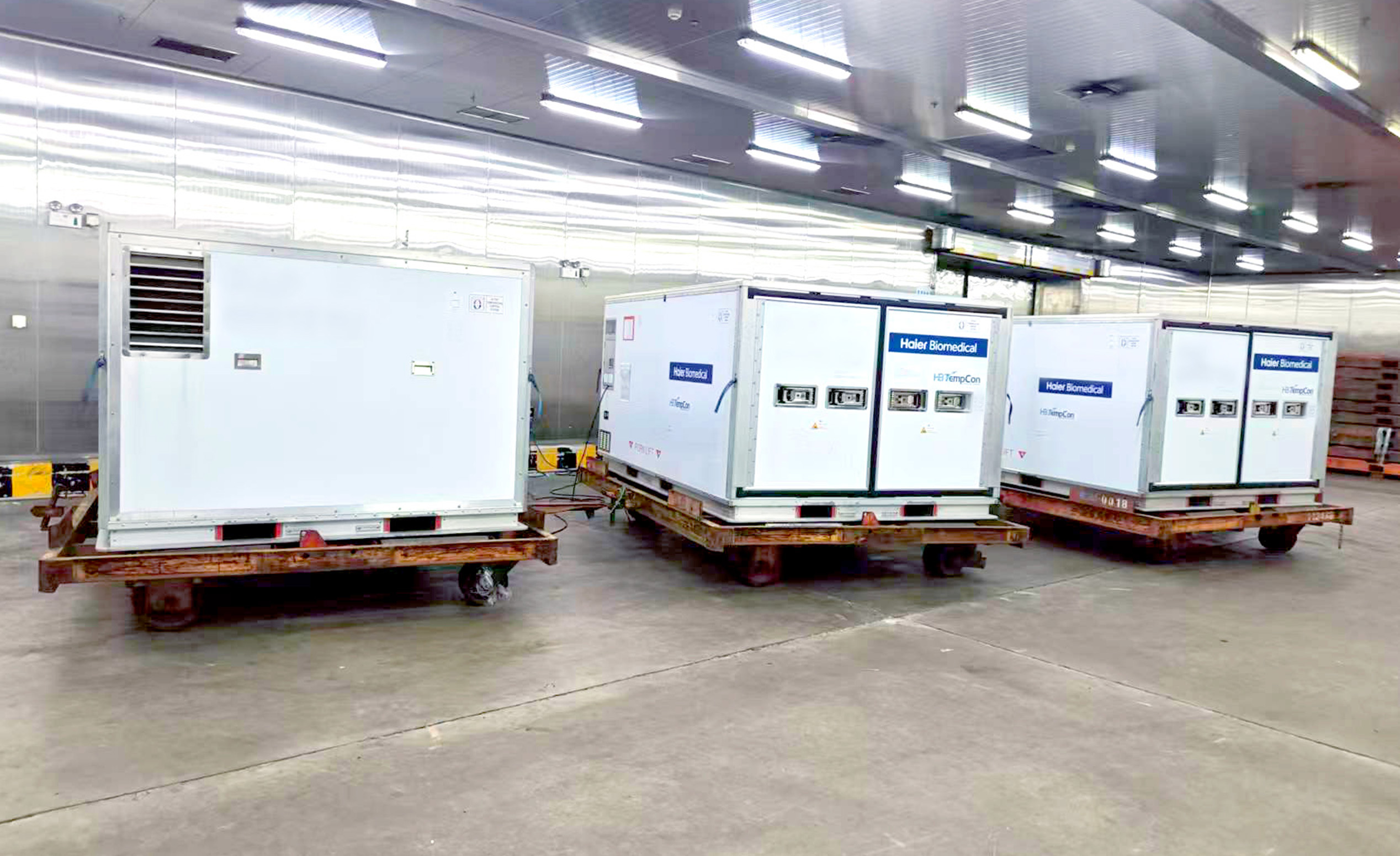
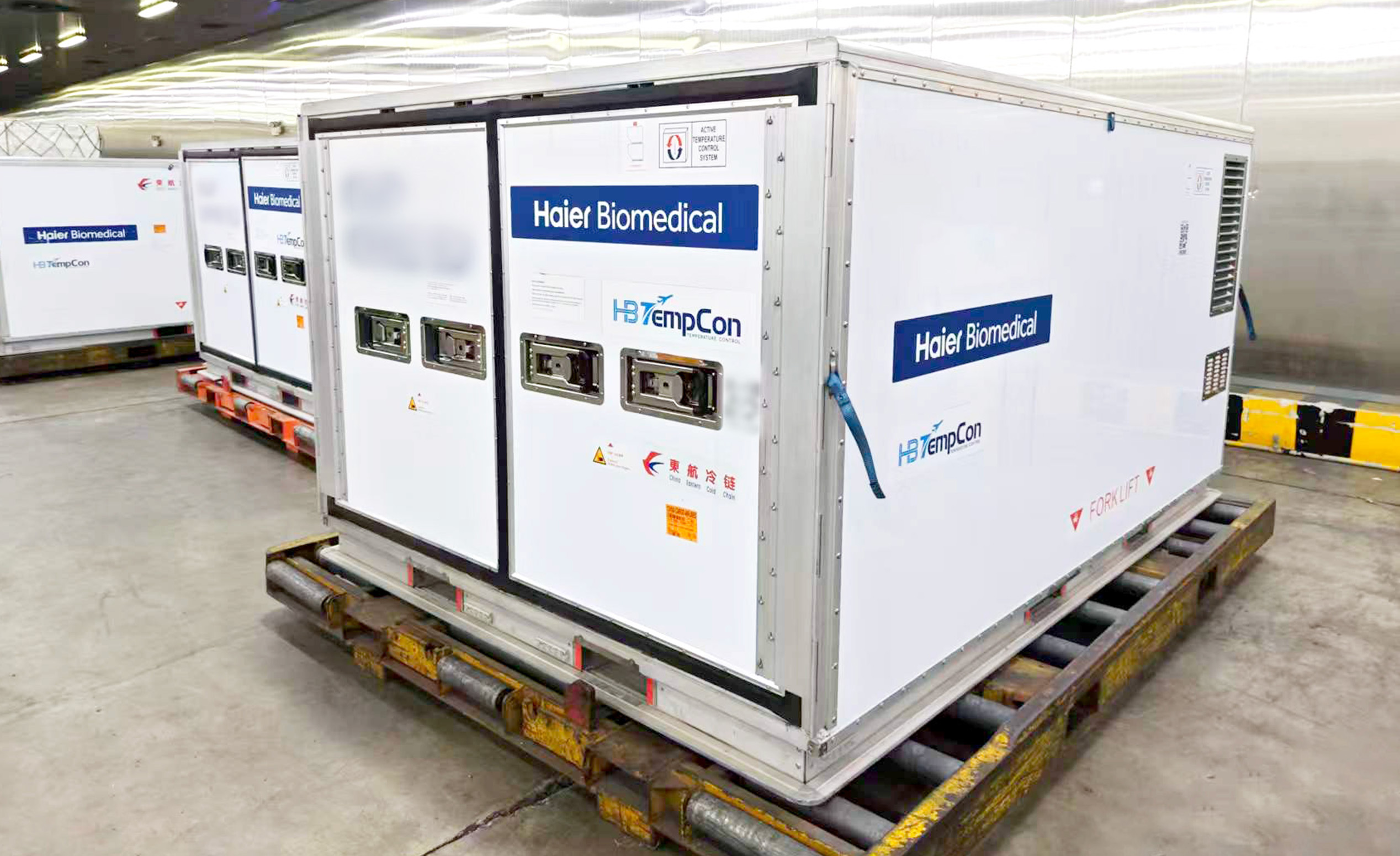
That journey is exacting. For a recent NAF Pharma shipment moving from Shanghai to Chicago, the challenge was clear: three RAP AT1 active temperature-controlled containers had to travel together, and confirmed airline space for all three had to be secured on the same flight. Equipment availability and flight capacity needed to line up at the same time. Missing either piece would have left the shipment waiting—and waiting is rarely an option when temperature-sensitive pharmaceuticals are involved.
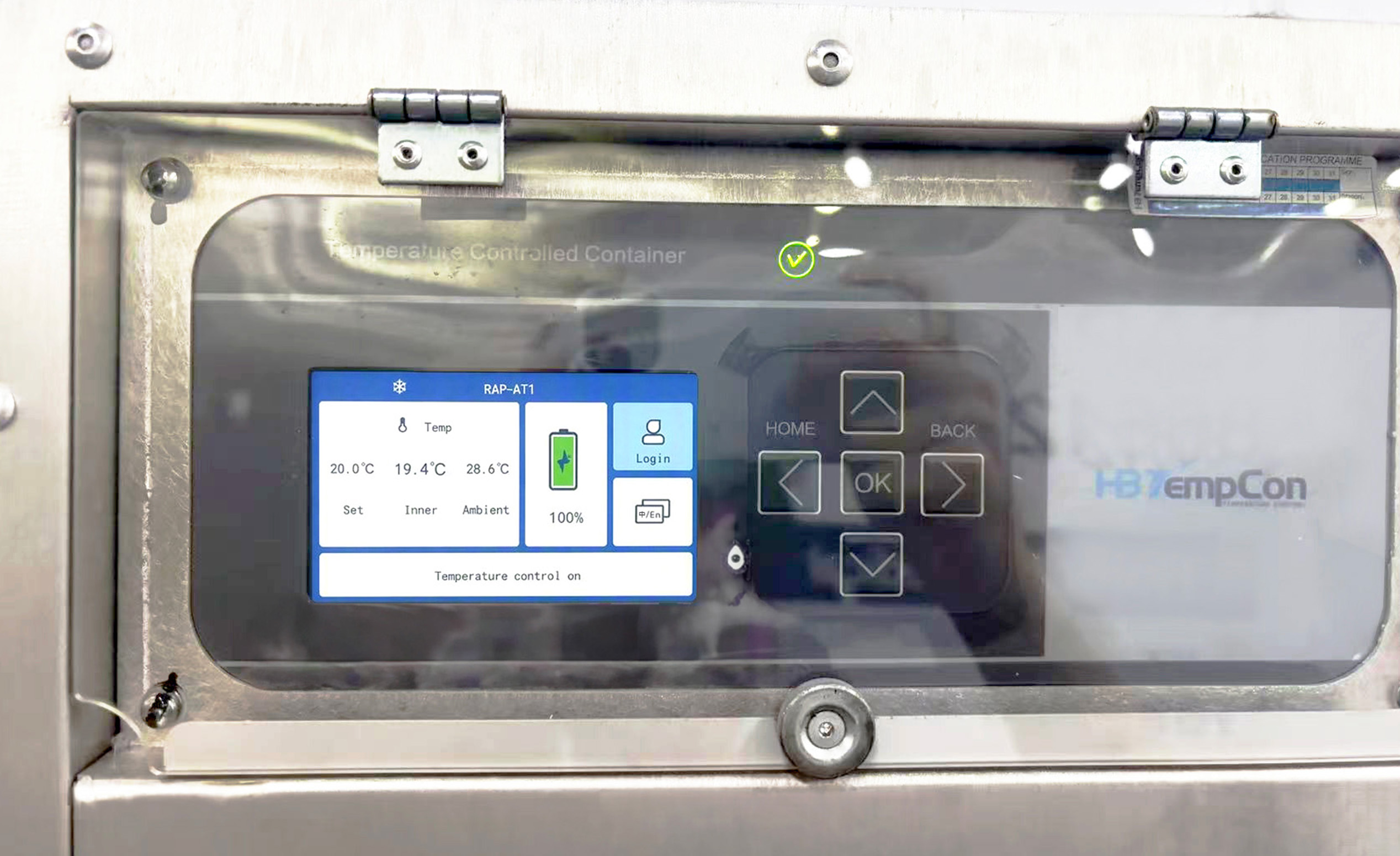
Temperature control sits at the heart of the problem. Between a warehouse and an aircraft, cargo can encounter sharp swings in ambient conditions. Inside the containers, however, the requirement remained steady: +15°C to +25°C. Any meaningful deviation risks compromising product quality. The RAP AT1 active containers were selected precisely because they can maintain that range actively, rather than relying solely on passive insulation. Their job is to protect the medicine through every stage of the transfer—ground handling, loading, flight, and arrival—so that what leaves the manufacturing site is what arrives ready for patients.
Coordinating three active units on a single flight is not routine. It requires early planning, reliable carrier relationships, and real-time visibility into both equipment pools and cargo capacity. When those elements come together, the shipment moves as intended. When they don’t, the medicine stays grounded. In pharmaceutical logistics, the difference between the two outcomes is measured in temperature data, transit time, and ultimately patient continuity of care.
Your medicine has an important job ahead. Before it can do that job, it needs a journey that protects its integrity at every step. NAF Pharma specializes in making those journeys reliable—matching the right temperature-controlled equipment with confirmed capacity and disciplined handling. If you are responsible for moving high-value, temperature-sensitive products, it is worth understanding how the logistics side is managed before the first capsule reaches the patient.
Speak with NAF Pharma about the journey that comes first.




Interested in working with us?
Get a quote for free and one of our pharma logistics experts will be in touch to discuss your specific needs.